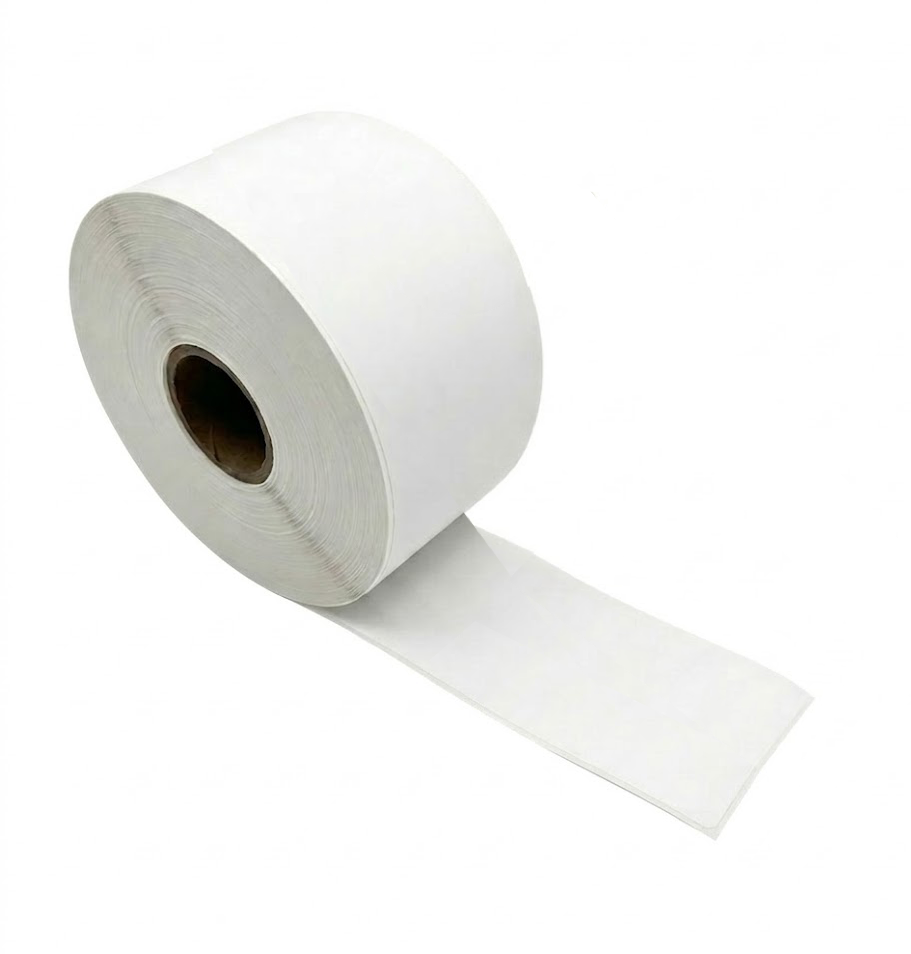
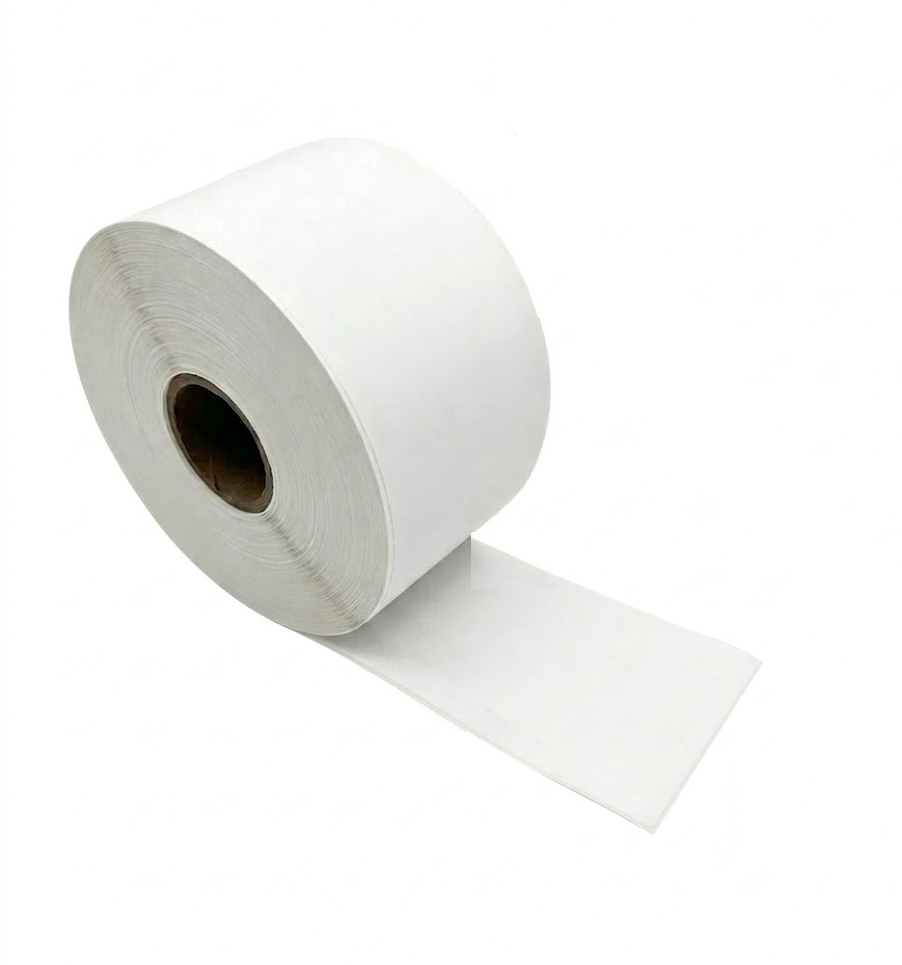


There is a global shift towards Linerless Labels, the reason is that there is a case for Efficiency that meets Sustainability
The global logistics industry consumes upwards of 150 billion traditional labels (with backing liner) annually, creating a massive environmental footprint. As modern businesses align with "Net Zero" and carbon-neutral targets, the search for eco-friendly packaging solutions has intensified. Traditional labels with backing paper that must be peeled off, are increasingly seen as a bottleneck for both sustainability and operational speed.
In the modern, high-pressure business landscape, the shift toward liner-free labeling is driven by a need for speed and the reduction of human error. Traditional handwriting can’t keep up with a fast-paced workflow; instead, these labels provide a cleaner, more precise alternative that streamlines operations.
When implemented correctly, they serve as a catalyst for better accuracy and higher customer satisfaction. However, achieving those results depends entirely on the quality of the media you select.
The perfect balance for a linerless label is functional versatility. It needs to bond securely to a surface upon first contact, yet peel away effortlessly without leaving a mess. Ideally, for the correct application, the label should be repositionable, allowing staff to transfer it from one item to another, for example from a prep station to a delivery bag, without losing its tack.
The highest-performing labels on the market offer several distinct advantages:
-
Optimal Adhesion: They use a calibrated amount of glue—enough to stay put, but not so much that it oozes.
-
Operational Cleanliness: They function without a backing strip, reducing on-site waste.
-
Hardware Compatibility: They are designed to pass through the printer without leaving adhesive residue that leads to jams or mechanical failure.
The market is currently split between extremes. You will find linerless labels with so little adhesive they fall off immediately, and others so heavily coated that manufacturers actually bundle them with specialised cleaning kits just to keep the printer running. The goal is to find the middle ground: a label that solves problems rather than creating new maintenance tasks.
Why Traditional Labels Are Problematic
Standard adhesive labels are built in a three-layer "sandwich": the facestock (the label itself), the adhesive, and a silicone-coated release liner. Once the label is applied, the liner is stripped away and discarded.
These liners are notoriously difficult to recycle due to their silicone coating, resulting in millions of tons of waste sent to landfills every year. This "hidden waste" is fundamentally at odds with the circular economy and modern green initiatives.
The Evolution of Linerless Technology
Linerless labels have evolved over twenty years from a niche product to a high-performance solution across diverse sectors. By removing the backing paper entirely, these labels have become a go-to for:
Logistics & Retail: Shipping labels, postage, and meat/produce wrapping.
On-the-Go Printing: Mobile receipts, quick-service food orders, and digital scale labeling.
While currently holding about 6% of the global market, adoption is surging in North America and Europe, with the Asian market beginning to ramp up as infrastructure catches up.
How Linerless Labels Are Made
Think of a linerless label like a roll of clear adhesive tape. The production involves four critical phases:
Imaging: Data is printed directly onto the facestock.
Top-Side Release Coating: A silicone layer is applied to the front of the label. This prevents the roll from sticking to itself and provides a protective barrier against moisture and grime.
Adhesive Application: High-tack hot melt adhesive is applied to the underside.
Perforation & Finishing: Strategic tear lines are added, and the material is wound tightly onto cores.
Key Operational and Financial Benefits
Maximum Versatility: Unlike standard labels that have fixed dimensions due to die-cutting, linerless rolls allow for variable length printing. You can print a short receipt or a long shipping manifest from the exact same roll.
Material Savings: By removing the liner and the "matrix" waste (the skeleton of paper left after die-cutting), you can save up to 35% on raw material consumption.
Logistics & Storage: Because the rolls are thinner without the extra backing layer, you get nearly double the number of labels in a roll of the same diameter. This slashes shipping and storage requirements by roughly 50%.
Operational Uptime: More labels per roll means fewer interruptions. Staff spend less time changing rolls and more time processing orders.
Printer Longevity: The specialised silicone coating acts as a lubricant, reducing friction as the paper passes under the thermal print head, which can significantly extend the life of your hardware.
Final Outlook
Linerless technology is more than just a trend; it is a fundamental shift in how industries handle their labeling requirements. By merging significant cost reductions with a drastic decrease in landfill waste, it provides a rare "win-win" for both the balance sheet and the planet.
